by AdmWPWebsite | Aug 20, 2026 | Blog
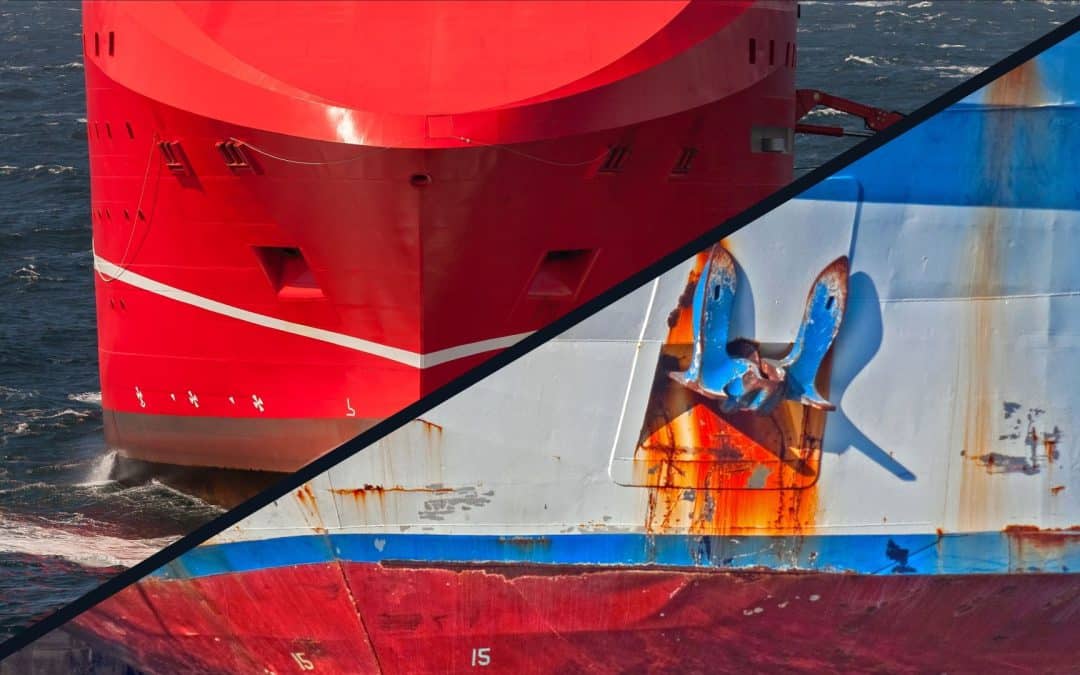
A PSV delivered in 2008 was a scrapping candidate in 2017. In 2026, the same vessel is on a term charter in West Africa, earning rates its owner had not seen in a decade, and being asked by that charterer to report fuel consumption per operational mode with the same...
by Marion ADAM | Jul 17, 2026 | Blog
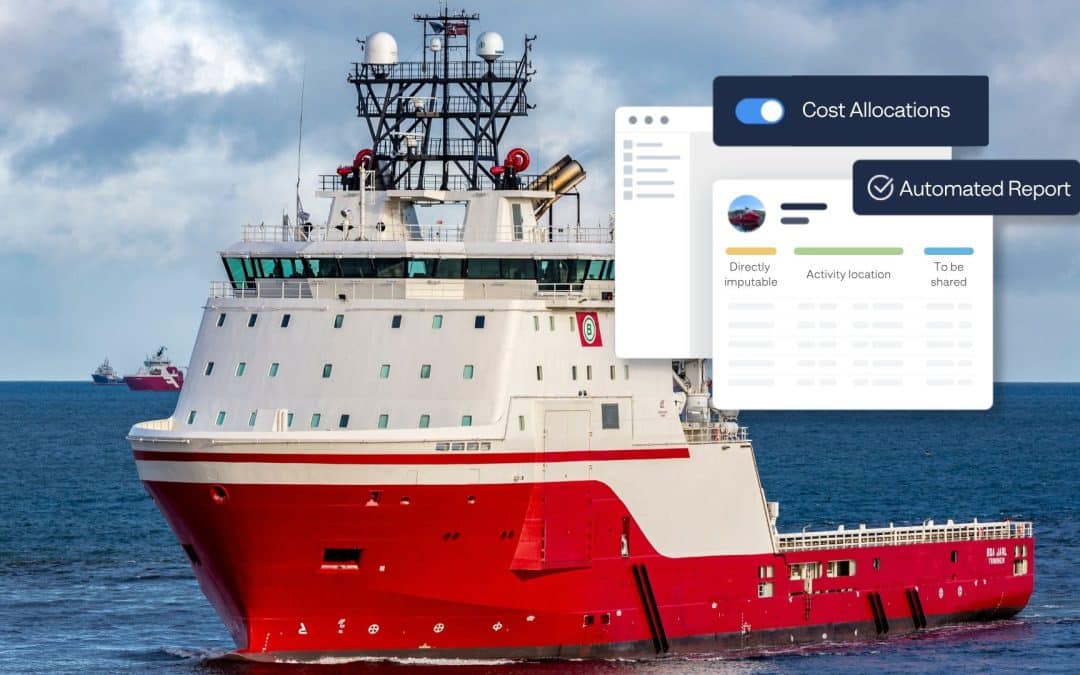
A charterer disputes an invoice. The shipowner pulls three different reports, and none of them agree on how many passengers the vessel was occupied. That gap is where most of the cost control problems start. It’s rarely bad faith on either side…But each error...
by AdmWPWebsite | May 18, 2026 | Blog
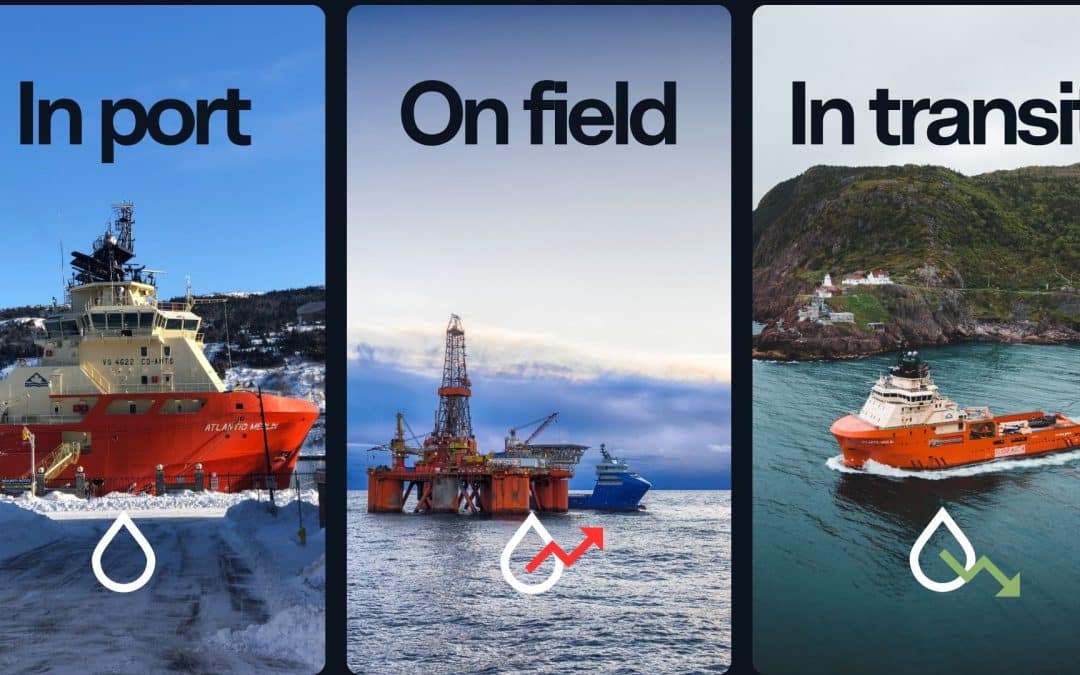
Offshore Supply Vessels (OSVs) can burn from 1 to 8 m³ of fuel per day – yet most operators still rely on a single aggregated number to track it. This blind spot hides inefficiencies, distorts CO₂ reporting, and limits operational decisions. Structured fuel...
by AdmWPWebsite | Mar 18, 2026 | Blog
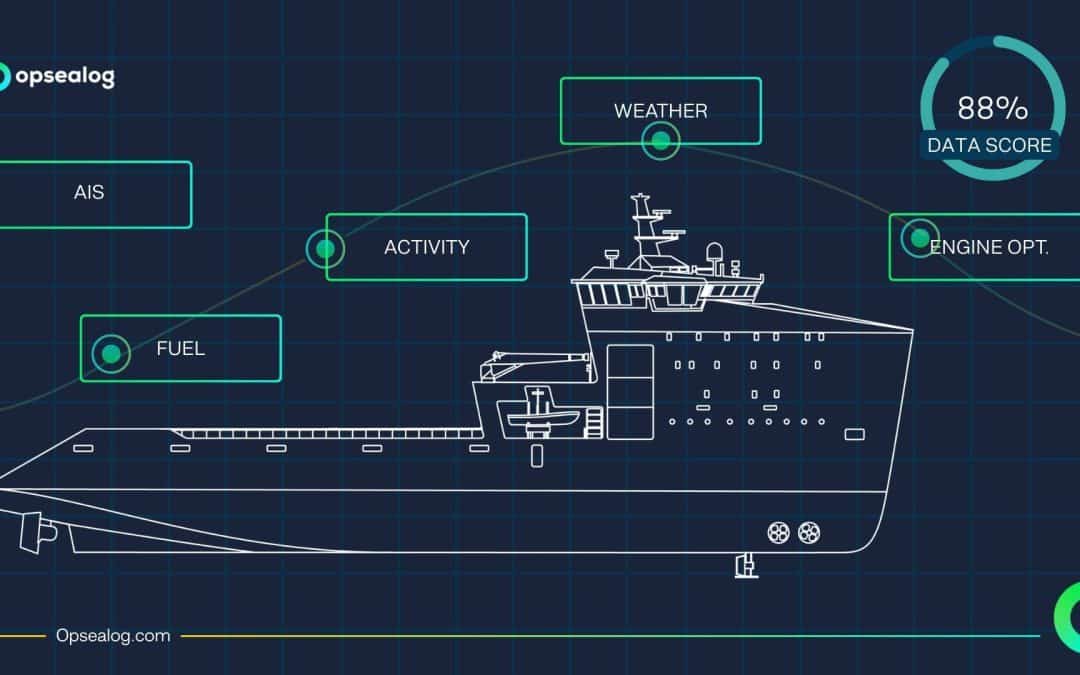
Offshore fleet management runs on operational data collected across multiple sources simultaneously: vessel logs, AIS feeds, onboard sensors, and engine management systems. However, consolidating these sources into a single reliable picture requires structure,...

by Marion ADAM | Feb 9, 2026 | Blog
The Offshore Support Journal Conference returned to London in February 2026, bringing together shipowners, charterers, class societies, and technology providers to discuss the current state of the OSV market and its outlook. Opsealog was present at the event, with...

by Marion ADAM | Jan 29, 2026 | Blog
Fuel optimization is often treated as an isolated objective. In reality, its success depends on one critical factor: data quality. Without accurate, consistent data, identifying trends or deviations becomes guesswork, which is something few teams can afford. Yet fuel...